Blog

Mastering New York Debt Collection: NYDFS Compliance Guide

Jan 23, 2026

Image of New York Debt Collections Laws

Blog Summary: In this blog, we will guide you through navigating NYDFS compliance, minimizing consumer complaints, and improving recovery performance. We’ll delve into key components of New York’s debt collection laws, including the Consumer Credit Fairness Act (CCFA) and the 23 NYCRR Part 500 cybersecurity regulations. Additionally, we will explore how AI-powered solutions can ensure a consumer-first approach, optimize operations, and maintain compliance, helping debt collection agencies stay on track with New York’s stringent laws.

Table of Content:

  • Navigating New York's Debt Collection Laws
  • Overview of NYDFS and Its Role in Debt Collection

  • Key NYDFS Requirements for Debt Collectors

  • State-Specific Debt Collection Laws in New York

  • The Impact of Non-Compliance and Consumer Complaints in NY Debt Collection

  • How AI Automation Supports NYDFS Compliance in Debt Collection

  • Key Takeaway

  • FAQs

Navigating New York's Debt Collection Laws

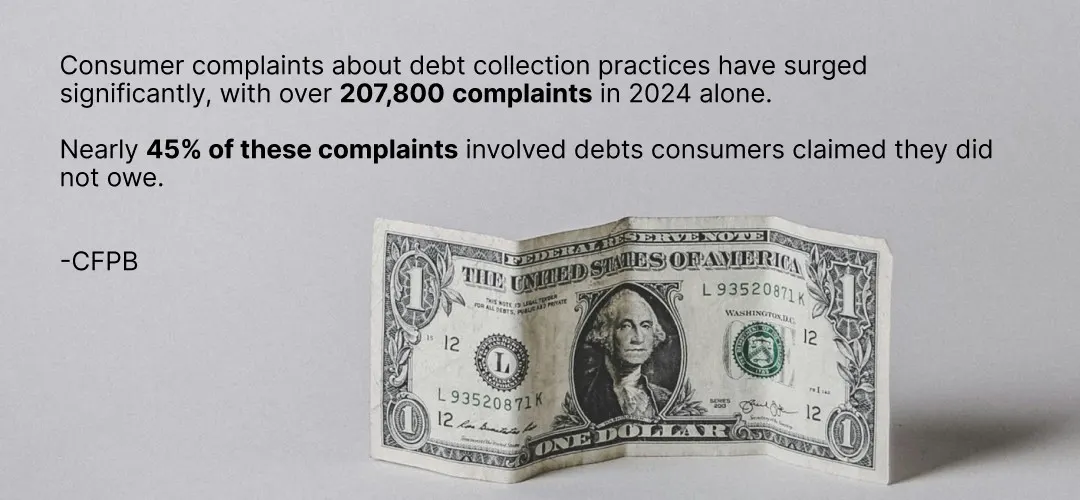
Image of CFPB reports on Consumer Complaints

(Source: CFPB)

For businesses operating in New York, maintaining compliance with state-specific laws is crucial. This includes understanding New York Debt Collection Laws, as well as adhering to the regulations set by the New York Department of Financial Services (NYDFS compliance). Key regulations such as the Consumer Credit Fairness Act (CCFA) and 23 NYCRR Part 500 cybersecurity requirements shape debt collection workflows, ensuring protection against consumer complaints and legal risks. Compliance helps avoid fines, strengthens consumer trust, and boosts revenue.

According to the Consumer Financial Protection Bureau (CFPB), consumer complaints about debt collection practices have surged significantly, with over 207,800 complaints in 2024 alone. Nearly 45% of these complaints involved debts consumers claimed they did not owe (Source). This highlights the importance of adhering to regulations to prevent harassment claims and legal disputes.

As regulatory scrutiny intensifies, businesses must implement strategies that ensure compliance while addressing consumer frustration, protecting both reputation and operational integrity.

Overview of NYDFS and Its Role in Debt Collection

What is NYDFS?

The New York Department of Financial Services (NYDFS), established in 2011, is the state’s primary financial regulator in debt collections. It supervises a broad spectrum of financial services, including banks, insurers, mortgage lenders, and fintech companies. NYDFS ensures financial market integrity, promotes stability, and safeguards consumer interests. As the financial landscape evolves, NYDFS continues to play a key role in enforcing compliance and ensuring consumer protection.

Why NYDFS Compliance is Crucial for Debt Collectors and Lenders

For debt collectors and lenders in New York, NYDFS compliance is non-negotiable. NYDFS enforces stringent rules on licensing, data security, fair lending, and consumer protection. Failure to comply can result in significant fines or loss of operating privileges.

  • Licensing & Conduct: Debt collectors and lenders must be licensed by NYDFS to operate legally within the state.


  • Cybersecurity (23 NYCRR Part 500): NYDFS compliance requires entities to implement robust cybersecurity measures, including risk assessments and breach notifications.


  • Consumer Protection: NYDFS enforces compliance with the FDCPA, ensuring debt collectors avoid harassment and deceptive practices.


  • Data Privacy: Entities must protect sensitive data to prevent breaches and reputational damage.


  • Enforcement: NYDFS has the authority to impose penalties for non-compliance, ensuring trust and operational integrity.

Key NYDFS Requirements for Debt Collectors

Debt collectors in New York must comply with 23 NYCRR Part 500, a critical cybersecurity regulation that protects Nonpublic Information (NPI). The Second Amendment, effective from November 2025, raises cybersecurity standards, making compliance essential. Below are key aspects of 23 NYCRR Part 500 that debt collection agencies must adhere to:

  • Cybersecurity Program Development: Debt collectors must maintain a robust program to ensure system confidentiality, integrity, and availability, including identifying risks, protecting systems, detecting security events, and ensuring recovery.


  • Risk Assessments: Debt collectors must conduct annual risk assessments to evaluate vulnerabilities and update controls.


  • Data Protection: Data protection measures include multi-factor authentication (MFA), encryption of NPI both in transit and at rest, and maintaining a complete asset inventory.


  • Third-Party Vendor Management: Debt collectors must ensure third-party vendors meet cybersecurity standards, perform due diligence, and have breach notification protocols in place.


  • Annual Certification: Debt collectors must submit a compliance certification by April 15 each year, signed by both the CEO and CISO.

State-Specific Debt Collection Laws in New York

New York's debt collection framework combines federal regulations like the FDCPA and state-specific laws, such as the Consumer Credit Fairness Act (CCFA). These regulations aim to protect consumers from abusive practices while ensuring debt collectors follow strict procedures for compliance.

  • FDCPA: The FDCPA prohibits harassment and deceptive practices. Debt collectors must send validation notices within five days of initial contact.


  • CCFA: Enacted in 2021, the CCFA shortens the statute of limitations for suing on consumer debt from six years to three, requiring debt collectors to cease efforts on debts over three years old.


  • 7-in-7 Rule: The 7-in-7 rule limits debt collectors to seven communications within seven days to avoid harassment.


  • Payday Loan Restrictions: New York prohibits payday lending, which often involves high fees, and restricts collectors from pursuing such loans.

Compliance Implications for Debt Collectors

  • Statute of Limitations: Debt collectors must cease collection efforts on debts over three years old. Attempting to collect on time-barred debts or threatening legal action can result in complaints and lawsuits.


  • Disclosure Requirements: Under CCFA and Regulation F, collectors must provide detailed debt validation notices within five days, including the original creditor, itemized debt, fees, and collector details.


  • Communication Rules: Collectors must follow FDCPA timing and frequency restrictions (no calls before 8 a.m. or after 9 p.m.). The 7-in-7 rule limits communication to seven attempts per week.


  • Prohibited Practices: Debt collectors must avoid abusive practices, such as threatening lawsuits on time-barred debts or contacting consumers at their workplace if prohibited.


  • Local Regulations: NYC enforces stricter rules, requiring local licensing and additional restrictions. Debt collectors must be aware of city-specific laws.


  • Record-Keeping: Debt collectors must maintain detailed, timestamped records of communications and efforts for audit and compliance purposes.

The Impact of Non-Compliance and Consumer Complaints in NY Debt Collection

Non-compliance with New York’s debt collection laws can lead to:

  • Legal and Financial Penalties: Violations of the FDCPA or state laws can result in fines, statutory damages, and lawsuits.


  • Reputational Damage: Consumer complaints can tarnish an agency’s reputation, eroding trust and leading to lost business.


  • Operational Disruption: Non-compliance can result in investigations, audits, or license revocation, disrupting business operations.


  • Invalid Debt Issues: Pursuing time-barred or invalid debts violates consumer protection laws, leading to potential lawsuits.

The Importance of Preventing Non-Compliance

  • Maintaining Reputation and Trust: Adhering to New York debt collection laws ensures transparency, boosts recovery rates, and builds borrower trust, fostering long-term business success.


  • Minimizing Costs and Legal Risks: Proactive compliance helps avoid fines, legal expenses, and operational costs, reducing the risk of lawsuits and penalties.


  • Enhancing Operational Efficiency: A compliance-first approach streamlines debt recovery by reducing delays and friction. Proper documentation, call tracking, and regular audits ensure adherence to regulations, saving time on complaints and legal issues.

Important: Today, AI is transforming debt collection workflows by leveraging machine learning (ML) and natural language processing (NLP) to predict optimal revenue outcomes, while ensuring compliance with New York Debt Collection Laws and NYDFS compliance and regulations, especially under 23 NYCRR Part 500 for cybersecurity.

How AI Automation Supports NYDFS Compliance in Debt Collection

  • Best Time and Channel to Contact: AI analyzes consumer data to identify the optimal contact time and channel, ensuring compliance with contact restrictions and improving engagement without overwhelming the consumer.

  • Live Sentiment Analysis: AI monitors consumer sentiment in real-time, allowing agents to adjust their approach to ensure respectful communication and compliance with NYDFS harassment and fair debt collection regulations.

  • Two-Way Multilingual Omnichannel Communication: AI facilitates two-way communication across multiple channels and languages, enhancing accessibility and ensuring compliance with NYDFS consumer protection laws.

  • Affordability-Based Flexible Payment Plans: AI assesses consumer finances and offers flexible repayment options, aligning with fair lending practices and reducing disputes over repayment terms.

  • User-Controlled Strategy Builder: AI enables customized communication strategies based on consumer profiles, ensuring compliance with FDCPA and NYDFS while optimizing recovery efforts.

  • Automated Invoice Management: AI automates invoice sending, tracking, following up and reconciling, to ensure accuracy, compliance with NYDFS, and reducing manual work while maintaining audit-ready documentation.

Note: AI-powered automated platforms, such as FinanceOps, help organizations maintain full NYDFS compliance while delivering an empathetic, customer-first approach to scale ROI recovery.

Benefits of AI Automation for Staying Compliant

  1. Reduced Compliance Risk: Minimizes human error and lowers risk of violations.

  2. Proactive Monitoring: Detects potential compliance issues in real-time.

  3. Improved Efficiency: Streamlines workflows and reduces manual tasks.

  4. Cost Savings: Cuts operational costs through automation.

  5. Audit-Ready Documentation: Provides continuous, easily accessible compliance logs.

  6. Enhanced Consumer Trust: Ensures fair practices, reducing complaints.

  7. Scalability: Adapts to changing regulations without affecting growth.

Key Takeaway

AI automation simplifies NYDFS compliance by automating regulatory adherence, risk assessments, and data protection. It reduces manual efforts, ensures consistent compliance with New York Debt Collection Laws, and optimizes recovery processes. For debt collectors aiming to streamline compliance and minimize risks, AI automation is an essential tool for success.

Want to see how AI can help you stay compliant with NYDFS, while improving recovery performance? Book a quick 30-minute demo with FinanceOps AI today.

FAQs

1. What are the key NYDFS requirements for debt collectors in New York?

Debt collectors in New York must comply with 23 NYCRR Part 500, including maintaining a cybersecurity program, conducting risk assessments, ensuring data protection, and submitting an annual compliance certification to NYDFS.

2. How does NYDFS impact debt collection practices in New York?

NYDFS enforces compliance with state and federal laws, including the FDCPA, and mandates cybersecurity protocols to protect consumer data and maintain operational integrity.

3. What is the 7-in-7 rule in New York debt collection laws?

The 7-in-7 rule limits debt collectors to seven contacts with a consumer within seven days to prevent harassment and ensure consumer rights.

4. What steps can debt collectors take to comply with NYDFS regulations?

Debt collectors should implement cybersecurity policies, use MFA, train staff, vet third-party vendors, and maintain detailed records for NYDFS audits.

5. How can AI help debt collectors stay compliant with NYDFS rules?

AI helps automate compliance by ensuring data security, generating audit trails, controlling communication frequency, and aiding real-time risk assessments for NYDFS compliance.

Blog Summary: In this blog, we will guide you through navigating NYDFS compliance, minimizing consumer complaints, and improving recovery performance. We’ll delve into key components of New York’s debt collection laws, including the Consumer Credit Fairness Act (CCFA) and the 23 NYCRR Part 500 cybersecurity regulations. Additionally, we will explore how AI-powered solutions can ensure a consumer-first approach, optimize operations, and maintain compliance, helping debt collection agencies stay on track with New York’s stringent laws.

Table of Content:

  • Navigating New York's Debt Collection Laws

  • Overview of NYDFS and Its Role in Debt Collection

  • Key NYDFS Requirements for Debt Collectors

  • State-Specific Debt Collection Laws in New York

  • The Impact of Non-Compliance and Consumer Complaints in NY Debt Collection

  • How AI Automation Supports NYDFS Compliance in Debt Collection

  • Key Takeaway

  • FAQs

Navigating New York's Debt Collection Laws

Image of CFPB reports on Consumer Complaints

(Source: CFPB)

For businesses operating in New York, maintaining compliance with state-specific laws is crucial. This includes understanding New York Debt Collection Laws, as well as adhering to the regulations set by the New York Department of Financial Services (NYDFS compliance). Key regulations such as the Consumer Credit Fairness Act (CCFA) and 23 NYCRR Part 500 cybersecurity requirements shape debt collection workflows, ensuring protection against consumer complaints and legal risks. Compliance helps avoid fines, strengthens consumer trust, and boosts revenue.

According to the Consumer Financial Protection Bureau (CFPB), consumer complaints about debt collection practices have surged significantly, with over 207,800 complaints in 2024 alone. Nearly 45% of these complaints involved debts consumers claimed they did not owe (Source). This highlights the importance of adhering to regulations to prevent harassment claims and legal disputes.

As regulatory scrutiny intensifies, businesses must implement strategies that ensure compliance while addressing consumer frustration, protecting both reputation and operational integrity.

Overview of NYDFS and Its Role in Debt Collection

What is NYDFS?

The New York Department of Financial Services (NYDFS), established in 2011, is the state’s primary financial regulator in debt collections. It supervises a broad spectrum of financial services, including banks, insurers, mortgage lenders, and fintech companies. NYDFS ensures financial market integrity, promotes stability, and safeguards consumer interests. As the financial landscape evolves, NYDFS continues to play a key role in enforcing compliance and ensuring consumer protection.

Why NYDFS Compliance is Crucial for Debt Collectors and Lenders

For debt collectors and lenders in New York, NYDFS compliance is non-negotiable. NYDFS enforces stringent rules on licensing, data security, fair lending, and consumer protection. Failure to comply can result in significant fines or loss of operating privileges.

  • Licensing & Conduct: Debt collectors and lenders must be licensed by NYDFS to operate legally within the state.


  • Cybersecurity (23 NYCRR Part 500): NYDFS compliance requires entities to implement robust cybersecurity measures, including risk assessments and breach notifications.


  • Consumer Protection: NYDFS enforces compliance with the FDCPA, ensuring debt collectors avoid harassment and deceptive practices.


  • Data Privacy: Entities must protect sensitive data to prevent breaches and reputational damage.


  • Enforcement: NYDFS has the authority to impose penalties for non-compliance, ensuring trust and operational integrity.

Key NYDFS Requirements for Debt Collectors

Debt collectors in New York must comply with 23 NYCRR Part 500, a critical cybersecurity regulation that protects Nonpublic Information (NPI). The Second Amendment, effective from November 2025, raises cybersecurity standards, making compliance essential. Below are key aspects of 23 NYCRR Part 500 that debt collection agencies must adhere to:

  • Cybersecurity Program Development: Debt collectors must maintain a robust program to ensure system confidentiality, integrity, and availability, including identifying risks, protecting systems, detecting security events, and ensuring recovery.


  • Risk Assessments: Debt collectors must conduct annual risk assessments to evaluate vulnerabilities and update controls.


  • Data Protection: Data protection measures include multi-factor authentication (MFA), encryption of NPI both in transit and at rest, and maintaining a complete asset inventory.


  • Third-Party Vendor Management: Debt collectors must ensure third-party vendors meet cybersecurity standards, perform due diligence, and have breach notification protocols in place.


  • Annual Certification: Debt collectors must submit a compliance certification by April 15 each year, signed by both the CEO and CISO.

State-Specific Debt Collection Laws in New York

New York's debt collection framework combines federal regulations like the FDCPA and state-specific laws, such as the Consumer Credit Fairness Act (CCFA). These regulations aim to protect consumers from abusive practices while ensuring debt collectors follow strict procedures for compliance.

  • FDCPA: The FDCPA prohibits harassment and deceptive practices. Debt collectors must send validation notices within five days of initial contact.


  • CCFA: Enacted in 2021, the CCFA shortens the statute of limitations for suing on consumer debt from six years to three, requiring debt collectors to cease efforts on debts over three years old.


  • 7-in-7 Rule: The 7-in-7 rule limits debt collectors to seven communications within seven days to avoid harassment.


  • Payday Loan Restrictions: New York prohibits payday lending, which often involves high fees, and restricts collectors from pursuing such loans.

Compliance Implications for Debt Collectors

  • Statute of Limitations: Debt collectors must cease collection efforts on debts over three years old. Attempting to collect on time-barred debts or threatening legal action can result in complaints and lawsuits.


  • Disclosure Requirements: Under CCFA and Regulation F, collectors must provide detailed debt validation notices within five days, including the original creditor, itemized debt, fees, and collector details.


  • Communication Rules: Collectors must follow FDCPA timing and frequency restrictions (no calls before 8 a.m. or after 9 p.m.). The 7-in-7 rule limits communication to seven attempts per week.


  • Prohibited Practices: Debt collectors must avoid abusive practices, such as threatening lawsuits on time-barred debts or contacting consumers at their workplace if prohibited.


  • Local Regulations: NYC enforces stricter rules, requiring local licensing and additional restrictions. Debt collectors must be aware of city-specific laws.


  • Record-Keeping: Debt collectors must maintain detailed, timestamped records of communications and efforts for audit and compliance purposes.

The Impact of Non-Compliance and Consumer Complaints in NY Debt Collection

Non-compliance with New York’s debt collection laws can lead to:

  • Legal and Financial Penalties: Violations of the FDCPA or state laws can result in fines, statutory damages, and lawsuits.


  • Reputational Damage: Consumer complaints can tarnish an agency’s reputation, eroding trust and leading to lost business.


  • Operational Disruption: Non-compliance can result in investigations, audits, or license revocation, disrupting business operations.


  • Invalid Debt Issues: Pursuing time-barred or invalid debts violates consumer protection laws, leading to potential lawsuits.

The Importance of Preventing Non-Compliance

  • Maintaining Reputation and Trust: Adhering to New York debt collection laws ensures transparency, boosts recovery rates, and builds borrower trust, fostering long-term business success.


  • Minimizing Costs and Legal Risks: Proactive compliance helps avoid fines, legal expenses, and operational costs, reducing the risk of lawsuits and penalties.


  • Enhancing Operational Efficiency: A compliance-first approach streamlines debt recovery by reducing delays and friction. Proper documentation, call tracking, and regular audits ensure adherence to regulations, saving time on complaints and legal issues.

Important: Today, AI is transforming debt collection workflows by leveraging machine learning (ML) and natural language processing (NLP) to predict optimal revenue outcomes, while ensuring compliance with New York Debt Collection Laws and NYDFS compliance and regulations, especially under 23 NYCRR Part 500 for cybersecurity.

How AI Automation Supports NYDFS Compliance in Debt Collection

  • Best Time and Channel to Contact: AI analyzes consumer data to identify the optimal contact time and channel, ensuring compliance with contact restrictions and improving engagement without overwhelming the consumer.

  • Live Sentiment Analysis: AI monitors consumer sentiment in real-time, allowing agents to adjust their approach to ensure respectful communication and compliance with NYDFS harassment and fair debt collection regulations.

  • Two-Way Multilingual Omnichannel Communication: AI facilitates two-way communication across multiple channels and languages, enhancing accessibility and ensuring compliance with NYDFS consumer protection laws.

  • Affordability-Based Flexible Payment Plans: AI assesses consumer finances and offers flexible repayment options, aligning with fair lending practices and reducing disputes over repayment terms.

  • User-Controlled Strategy Builder: AI enables customized communication strategies based on consumer profiles, ensuring compliance with FDCPA and NYDFS while optimizing recovery efforts.

  • Automated Invoice Management: AI automates invoice sending, tracking, following up and reconciling, to ensure accuracy, compliance with NYDFS, and reducing manual work while maintaining audit-ready documentation.

Note: AI-powered automated platforms, such as FinanceOps, help organizations maintain full NYDFS compliance while delivering an empathetic, customer-first approach to scale ROI recovery.

Benefits of AI Automation for Staying Compliant

  1. Reduced Compliance Risk: Minimizes human error and lowers risk of violations.

  2. Proactive Monitoring: Detects potential compliance issues in real-time.

  3. Improved Efficiency: Streamlines workflows and reduces manual tasks.

  4. Cost Savings: Cuts operational costs through automation.

  5. Audit-Ready Documentation: Provides continuous, easily accessible compliance logs.

  6. Enhanced Consumer Trust: Ensures fair practices, reducing complaints.

  7. Scalability: Adapts to changing regulations without affecting growth.

Key Takeaway

AI automation simplifies NYDFS compliance by automating regulatory adherence, risk assessments, and data protection. It reduces manual efforts, ensures consistent compliance with New York Debt Collection Laws, and optimizes recovery processes. For debt collectors aiming to streamline compliance and minimize risks, AI automation is an essential tool for success.

Want to see how AI can help you stay compliant with NYDFS, while improving recovery performance? Book a quick 30-minute demo with FinanceOps AI today.

FAQs

1. What are the key NYDFS requirements for debt collectors in New York?

Debt collectors in New York must comply with 23 NYCRR Part 500, including maintaining a cybersecurity program, conducting risk assessments, ensuring data protection, and submitting an annual compliance certification to NYDFS.

2. How does NYDFS impact debt collection practices in New York?

NYDFS enforces compliance with state and federal laws, including the FDCPA, and mandates cybersecurity protocols to protect consumer data and maintain operational integrity.

3. What is the 7-in-7 rule in New York debt collection laws?

The 7-in-7 rule limits debt collectors to seven contacts with a consumer within seven days to prevent harassment and ensure consumer rights.

4. What steps can debt collectors take to comply with NYDFS regulations?

Debt collectors should implement cybersecurity policies, use MFA, train staff, vet third-party vendors, and maintain detailed records for NYDFS audits.

5. How can AI help debt collectors stay compliant with NYDFS rules?

AI helps automate compliance by ensuring data security, generating audit trails, controlling communication frequency, and aiding real-time risk assessments for NYDFS compliance.

CTA image by FinanceOps

4 minutes

Posted by

Arpita Mahato

Content Writer

Background
light

Stay Updated with Us

Enter your email below and subscribe to our weekly newsletter

Instant Access

Boost Productivity

Easy Setup

Background
light

Stay Updated with Us

Enter your email below and subscribe to our weekly newsletter

Instant Access

Boost Productivity

Easy Setup

Background
light

Stay Updated with Us

Enter your email below and subscribe to our weekly newsletter

Instant Access

Boost Productivity

Easy Setup

Photo of two ladies sitting together with one of them showing them something on their laptop.

Transform Your Financial Processes

Join thousands of businesses already saving time and money with FinanceOps

Photo of two ladies sitting together with one of them showing them something on their laptop.

Transform Your Financial Processes

Join thousands of businesses already saving time and money with FinanceOps

Photo of two ladies sitting together with one of them showing them something on their laptop.

Transform Your Financial Processes

Join thousands of businesses already saving time and money with FinanceOps