Your collections system should know when an account is already paid.
Automated invoicing, real-time reconciliation, intelligent retries, and instant dispute routing, so outreach stays accurate and your ledger stays continuously updated.
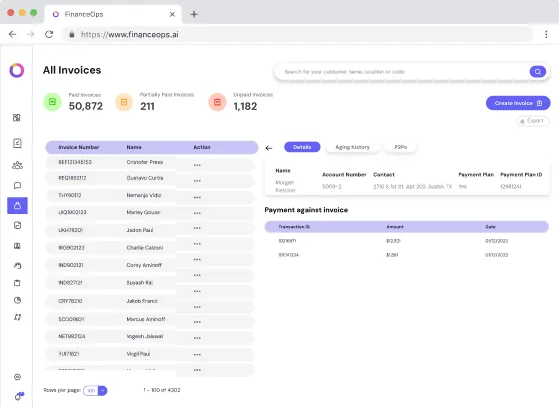
Your outreach is contacting accounts the ledger has not caught up with yet.
Manual reconciliation, delayed batches, and disconnected dispute workflows routinely trigger outreach on paid accounts, damaging trust, creating FDCPA exposure, and letting balances age unresolved.
Routine failures, engineered out.
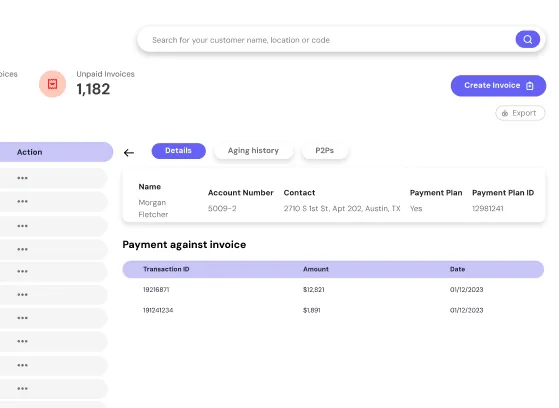
The ledger reflects current reality at every moment
- ✓Full, partial, and installment payments matched to the invoice
- ✓Posted back to the general ledger automatically
- ✓No manual entry, no reconciliation batch, no catch-up
- ✓Collections actions against already-paid accounts become impossible
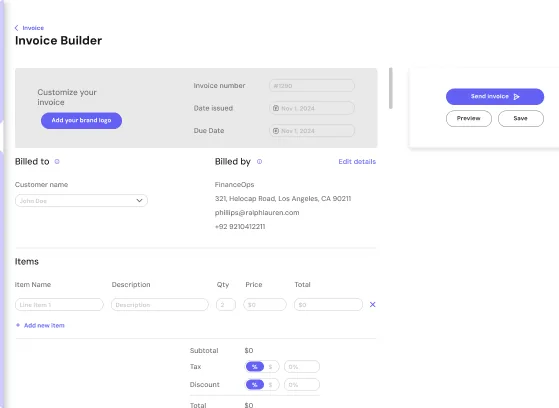
Resolve administrative payment drag before it ages the account
- ✓Reminders timed to each consumer's historical engagement
- ✓NSF → retry timed to when capacity is likely restored
- ✓Cuts the drag behind a large share of late-stage defaults
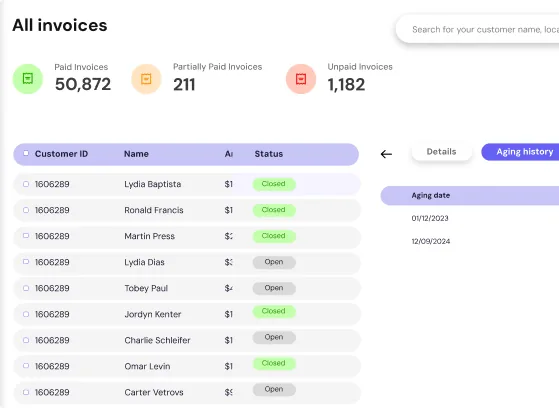
No FDCPA exposure from contact on a disputed balance
- ✓Dispute intake across SMS, email, Voice AI, webchat, and portal
- ✓Hold flags propagated across all queues within milliseconds
- ✓Every invoice, reminder, attempt, and resolution logged
- ✓Full audit documentation exportable without manual assembly
Mismatches and drag, designed out.
Built for teams where reconciliation accuracy is non-negotiable.
Invoicing
questions
Batch reconciliation. When payments are posted to the ledger daily or weekly rather than in real time, automated outreach systems keep contacting accounts that have already paid, because the system doesn't know yet. Invoicing reconciles every payment immediately upon receipt, making outreach against a paid account structurally impossible.
Administrative payment drag is what happens when technically preventable payment failures, NSF on a specific date, failed ACH due to account changes, aren't handled promptly. Without intelligent retry logic, the same failed transaction runs 2–3 generic retries, fails each time, and the account ages into 30-day, then 60-day delinquency that should never have reached that stage. Invoicing evaluates the failure type and triggers the right resolution before the account ages.
Fixed billing cycles send reminders on the same date regardless of when each consumer is most likely to engage. Invoicing analyzes individual interaction history to identify the specific day and channel with the highest response probability for each consumer. The reminder arrives at the right moment in the right channel, that's what moves completion rates, not volume.
When a consumer disputes a debt, FDCPA requires collections activity to stop. If dispute intake sits in one system and outreach runs in another, with a manual sync lag in between, automated contact continues against the disputed account. Invoicing propagates the dispute hold flag across every outreach channel within milliseconds of intake. No lag. No exposure.
Batch reconciliation means the AR ledger is always a snapshot, hours or days behind reality. During that gap, collections outreach runs against paid accounts, disputed balances age, and finance teams make decisions on stale data. Real-time reconciliation means the ledger is current at every moment. Every payment is posted immediately. Every disputed balance flagged instantly.
Yes. Partial payments and installment payments are each matched to the corresponding invoice and posted to the ledger automatically. Installment plans carry automated retry logic for failed payments and behavior-timed reminders throughout. No manual cash application at any stage.
Timestamped records of every invoice creation, reminder, payment attempt (successful or failed), reconciliation event, dispute intake, hold flag propagation, and resolution, all exportable without reconstruction. It demonstrates to regulators that outreach stopped the moment a dispute was filed and that no collections action ran against a paid account.
Automate Every Invoice, End to End
Tell us about your current invoicing process, and we'll show you what automated tracking and reconciliation looks like on your volume.