A customer says the invoice was paid last week. Your collections worklist still shows the balance overdue. A receipt exists, but nobody has confirmed which invoices it should settle.
Before requesting another payment, the team needs to establish what that receipt represents.
To resolve unapplied cash, identify the receipt and customer, establish the intended invoice allocation, route the evidence through the approved cash application process, and confirm the resulting account status. Collections can help gather and coordinate the evidence; authorized cash application and accounting workflows determine the financial update.
This guide is for collections specialists, team leads, and AR operations managers working with business invoices.
What is unapplied cash?
Unapplied cash is received payment that has not been fully allocated to the relevant receivable under the accounting system's application process. It is different from a customer merely saying they paid.
Keep these situations distinct:

| Situation | What it establishes | What remains unresolved |
|---|---|---|
| Customer reports payment | A payment statement has been received | Whether the receipt exists and what it settles |
| Unidentified receipt | A receipt exists without an identified customer | Correct payer or customer association |
| Unapplied receipt | Payment has not been fully applied | Intended invoice allocation |
| On-account receipt | An amount is held against the customer account | Whether it should settle a particular invoice |
| Invoice allocation confirmed | The applicable receipt is linked to the invoice | Any residual balance or later reversal |
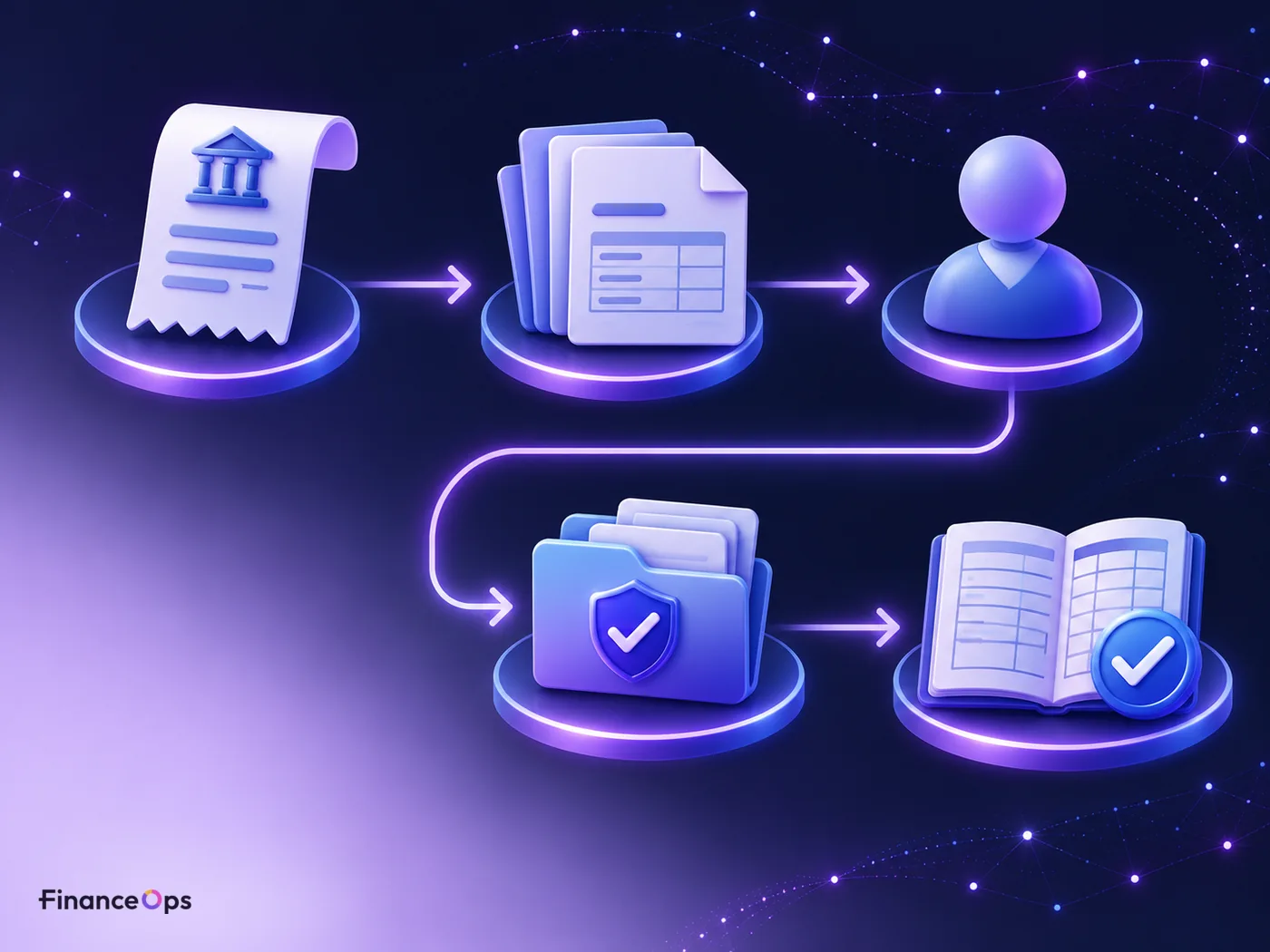
The exact labels vary by system. Oracle's receipt documentation distinguishes unidentified and unapplied receipts and notes that an applied receipt status can include money placed on account. A receipt-level label alone is therefore insufficient evidence that a particular invoice is closed.
Why does unapplied cash matter to collections?
The collector's next action depends on the balance that genuinely remains due. When receipts and invoices are disconnected, a team can spend time investigating the wrong account or asking a customer for money already received.
This is a coordination problem across collections and cash application. Collectors can capture customer-supplied allocation information and route it to the authorized cash-application owner, then follow the configured contact rule while the match is pending.
The practical goal is a complete investigation that leads to a verified decision. Simply marking a collections case closed does not establish that the financial records changed.
A five-step unapplied cash workflow
1. Verify the receipt and its source
Check the payment reference, amount, currency, date, payer, and source timestamp. Match the business entity as well as the customer. Similar amounts or names do not prove a match.
If the latest payment file predates the reported transfer, record that limitation. Use the troubleshooting steps in Why Is an Invoice Still Open After Payment? when the issue may involve delayed or conflicting records.
2. Establish the intended allocation
Confirm which invoice or invoices the customer intended to pay. Check for duplicate references, multiple customer accounts, credits, and receipts covering several invoices.
A remittance document can support allocation, but it does not by itself establish that money arrived.
For example, one verified transfer may cover four invoices. Keep the receipt amount distinct from each invoice allocation, map the remittance amounts to the intended invoices, and route unclear lines for cash-application review. Do not copy the full transfer amount to every invoice. If only part of the invoice is covered, follow the separate workflow for short payments and disputed invoices.
3. Assign an owner and contact handling
Give the investigation a case reference, responsible team, and review date. Record what the collector may say or do while it remains open.
An approved temporary outreach pause should identify the relevant account or invoice, its reason, and the condition for review. Do not assume that investigating one payment pauses every obligation on the account.
4. Submit evidence through the approved process
Send the receipt reference, proposed invoice allocation, customer explanation, and unresolved differences to the authorized team or workflow. A proposed match remains a proposal until validated.
Keep allocation decisions separate from permission to issue a credit, write off a difference, or change payment terms.
5. Confirm the result before closing
Check the authoritative invoice balance and the relevant application status. Record what changed, when it changed, and which system confirmed it.
If the update fails or remains uncertain, keep the case open with an owner. A file sent to another system is an attempted step, not confirmation of invoice closure.
What should the collector record?
A useful record lets the next person continue without asking the customer to repeat everything.
| Field | Why it matters |
|---|---|
| Account, entity, and invoice identifiers | Prevents matching to the wrong obligation |
| Receipt reference, currency, and amount | Identifies the payment being investigated |
| Source and refresh timestamp | Shows the evidence available at decision time |
| Customer's allocation explanation | Preserves the stated payment intention |
| Verified facts and unresolved differences | Keeps evidence separate from assumptions |
| Owner, next action, and review date | Makes the investigation actionable |
| Confirmed result and reference | Supports accurate closure and reporting |
Your accounts receivable tracker can support this coordination. The authoritative accounting system continues to own its balances.
If the receipt relates to a prior agreement, compare it with the amount, date, and scope of the promise to pay rather than assuming any account payment satisfies that commitment.
How Collectors Brain supports the workflow
Collectors Brain is designed to connect available account evidence, previous conversations, approved knowledge, and configured rules to guide the next appropriate collection action.
In an illustrative configured workflow, a customer reports a transfer during an enabled Voice AI call. The workflow records the statement and checks available payment information. A possible receipt match is routed for validation. If policy permits a temporary pause, the permitted action is recorded with a review condition. The case stays unresolved until the connected source confirms the applicable outcome.
The Collectors Brain workflow guide explains the sequence from context to permitted action and confirmation. Account context before contact explains why fresh evidence matters.
When evaluating the FinanceOps collections solution and Agentic Payments, establish which receipt sources, allocation steps, writebacks, and confirmation states your deployment supports. Those capabilities should be demonstrated rather than assumed.
Measure resolution without inflating recovery
Track unapplied amounts by age and reason, time to verified resolution, repeat contacts during investigations, reopened cases, and confirmed allocation outcomes. Define each measure and reporting period before comparing teams.
Applying cash already received is not a new customer payment. Separate allocation progress from additional recovered cash, and avoid double counting a receipt that appears in several systems.