A member who missed a payment might need a reminder, a clearer explanation or a conversation with a specialist. The right collections software should help your team tell those situations apart before the next contact.
For credit unions, the buying decision usually starts with one of three needs: a better collector workbench, more consistent member communication, or AI that can carry out approved recovery work. This guide compares five platforms against those needs: FinanceOps, AKUVO, MeridianLink Collect, Temenos and Eltropy.
Quick answer: Start with FinanceOps for first-party AI recovery, AKUVO for coordinated collections workflows, MeridianLink Collect for collector work management, Temenos for collections within broader financial institution infrastructure, and Eltropy for member communication connected to collections. The best fit depends on what your existing core and staff already handle.
FinanceOps authored this guide and is one of the products discussed. The shortlist reflects editorial fit based on official sources reviewed November 23, 2026, not an independent benchmark. Public-site screenshots identify the vendors; they do not establish product performance.
Why the credit union use case deserves its own comparison
The NCUA’s second-quarter 2026 system report reported a delinquency rate of 0.96% at federally insured credit unions, up six basis points from a year earlier. That system-level figure does not describe the risk or recoverability of every credit union’s portfolio.
It does make the operational question timely: can your team give each eligible account an appropriate next step without turning every case into manual work?
A member may have an active payment commitment, a disputed charge and a recent call in different systems. A useful deployment gives the next collector or AI agent enough context to avoid restarting the conversation. Our guide to reducing delinquency while preserving member trust explains why consistency and clarity matter alongside recovery.
The five-platform comparison
| Platform | Strongest reason to evaluate | What to establish before buying |
|---|---|---|
| FinanceOps | AI-led first-party recovery across enabled channels | Approved actions, core data freshness, human-review ownership and total cost |
| AKUVO | Coordinated collections and engagement workflows | Package scope, workflow ownership and integration behavior |
| MeridianLink Collect | Collector queues and configurable collection operations | What is automated versus performed by collectors or partners |
| Temenos | Collections and recovery tied to broader financial systems | Relevant modules, version availability and implementation effort |
| Eltropy | Member communications and AI connected to collections | Included products, payment posting and escalation behavior |
These products can overlap or complement one another. A credit union may keep a collection system of record while adding a communication or AI layer. Define who owns account state before adding another platform.
Where each platform fits
1. FinanceOps: connect member conversations to approved recovery actions
FinanceOps is relevant when the priority is to reduce routine handling while preserving human judgment for exceptions. Collectors Brain uses available account records, approved knowledge and conversation history to guide the next action. Alice supports enabled Voice AI, SMS and email workflows.
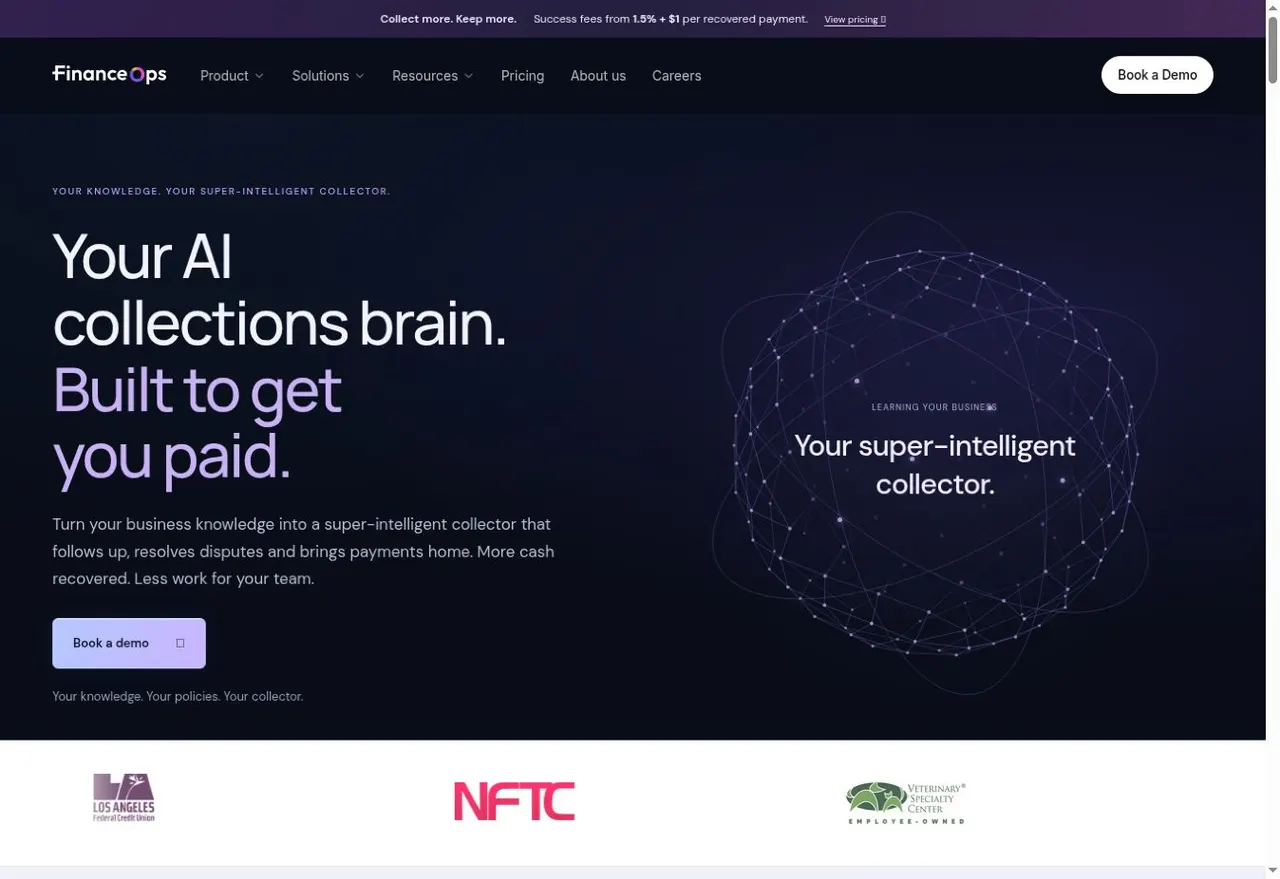
For a credit union, the distinction to test is whether the agent can move from “I can pay Friday” to an accurately recorded commitment and appropriate follow-up. If the member disputes the balance, the workflow should move to review rather than treating the reply as another payment objection.
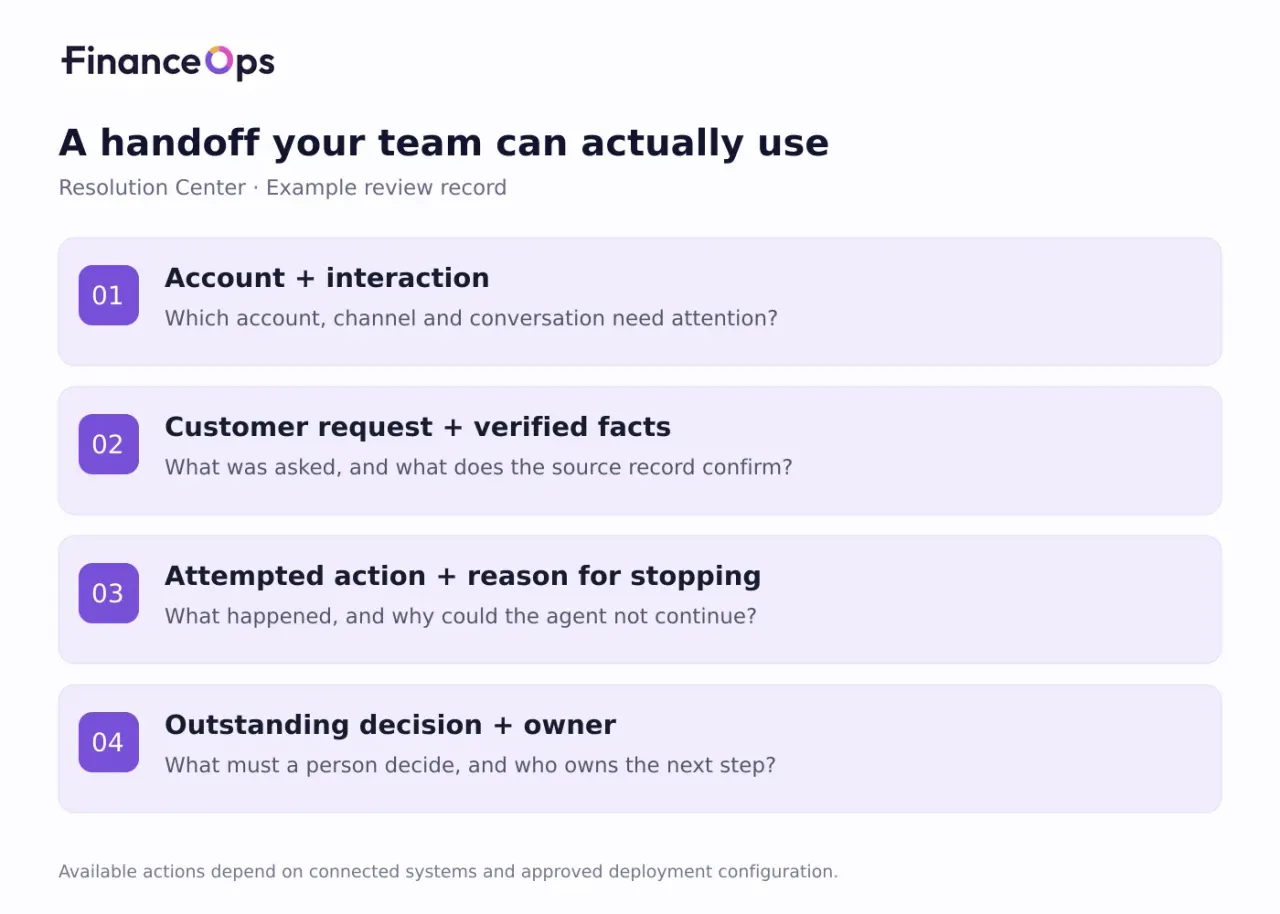
FinanceOps’ Resolution Center supports exception handling with shared case visibility. Agent Builder lets authorized administrators propose and test instruction changes before releasing them. These controls should be demonstrated on the actual configuration proposed for your institution.
Pricing: Autopilot uses 1.5% of eligible cash recovered plus $1 per recovered payment. Confirm separately applicable charges and eligibility. Copilot is quoted separately. Review FinanceOps pricing.
Ask to see: A member’s last conversation, an approved arrangement, a failed action and the specialist’s review record, all on the same account.
2. AKUVO: coordinate the collection operation
AKUVO describes collections, engagement and connectivity within its platform. Its packages distinguish Essential, Signature and AI offerings, so package selection is part of the evaluation.
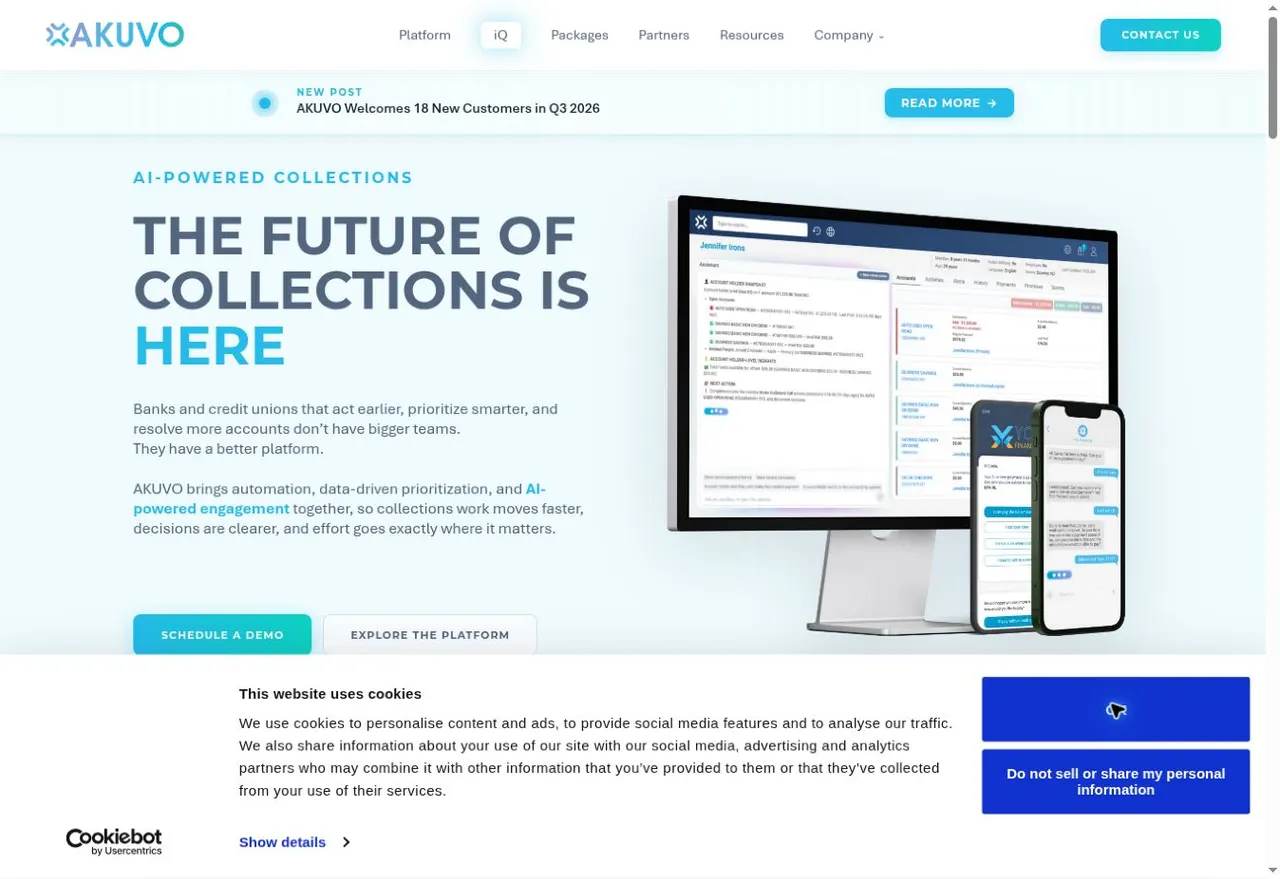
Best fit: Teams that want a coordinated environment for collection strategy, collector activity and member engagement.
Ask to see: A Playbook reacting to a new member reply, a collector taking ownership of an exception, and a payment update changing the next action. Request a quote that identifies the included AI and communication capabilities. Also establish who maintains workflow rules after implementation and how updates are tested.
3. MeridianLink Collect: structure the collector’s working day
MeridianLink offers collections software with configurable queues, dashboards and connections to core and third-party systems.
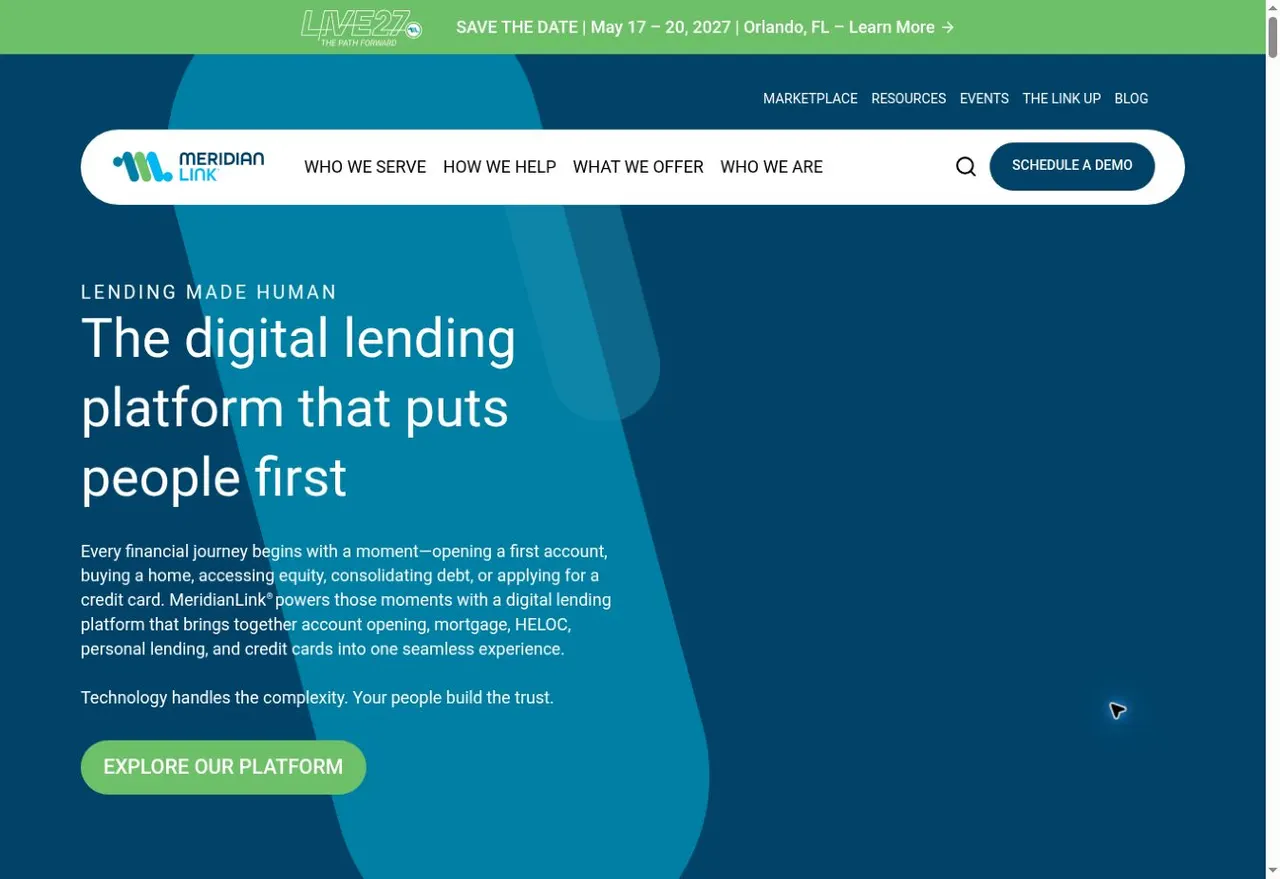
Best fit: Credit unions whose main need is a consistent workbench for collectors and supervisors.
Ask to see: How accounts enter a queue, how a collector documents a commitment, how the account moves when payment arrives, and how exceptions appear to supervisors. If another product supplies Voice AI, require a demonstration of the combined workflow. Confirm which system controls follow-up so the member does not receive overlapping contacts. Pricing requires a product and implementation proposal.
4. Temenos: evaluate collections with the wider institution architecture
Temenos includes collection and recovery capabilities in its Lifecycle Management Suite and addresses credit unions and community institutions.
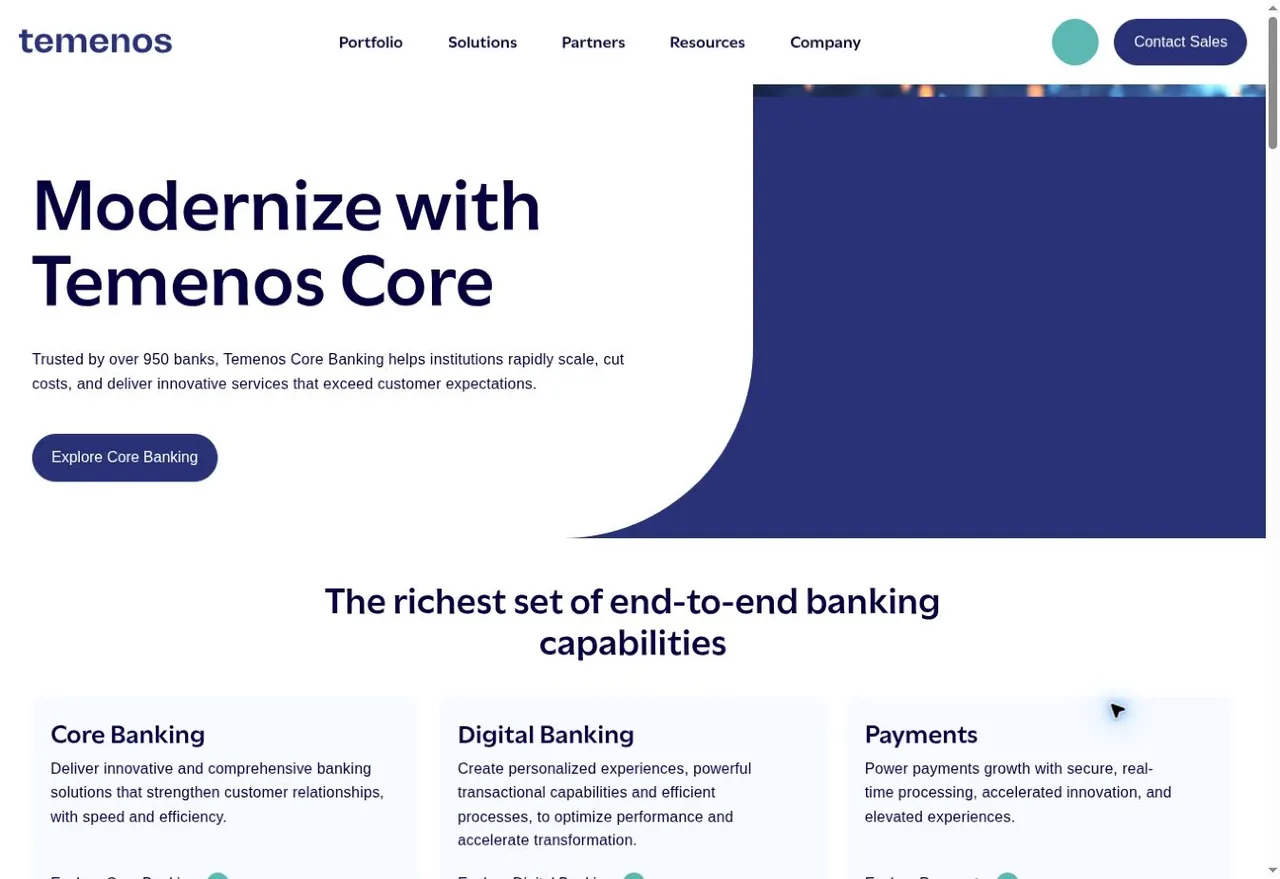
Best fit: Institutions considering collection operations as part of a wider technology decision.
Ask to see: The specific collection module, its live integration with the relevant core, and the responsibilities for configuration and ongoing administration. Separate current functionality from planned releases. Include data migration, testing and reporting in the scope rather than treating implementation as a line item to resolve later. Request deployment-specific pricing.
5. Eltropy: connect member communications with collections
Eltropy offers AI collections within its financial institution communication platform. Its published offering connects outreach, payment capabilities and collection-system integration.
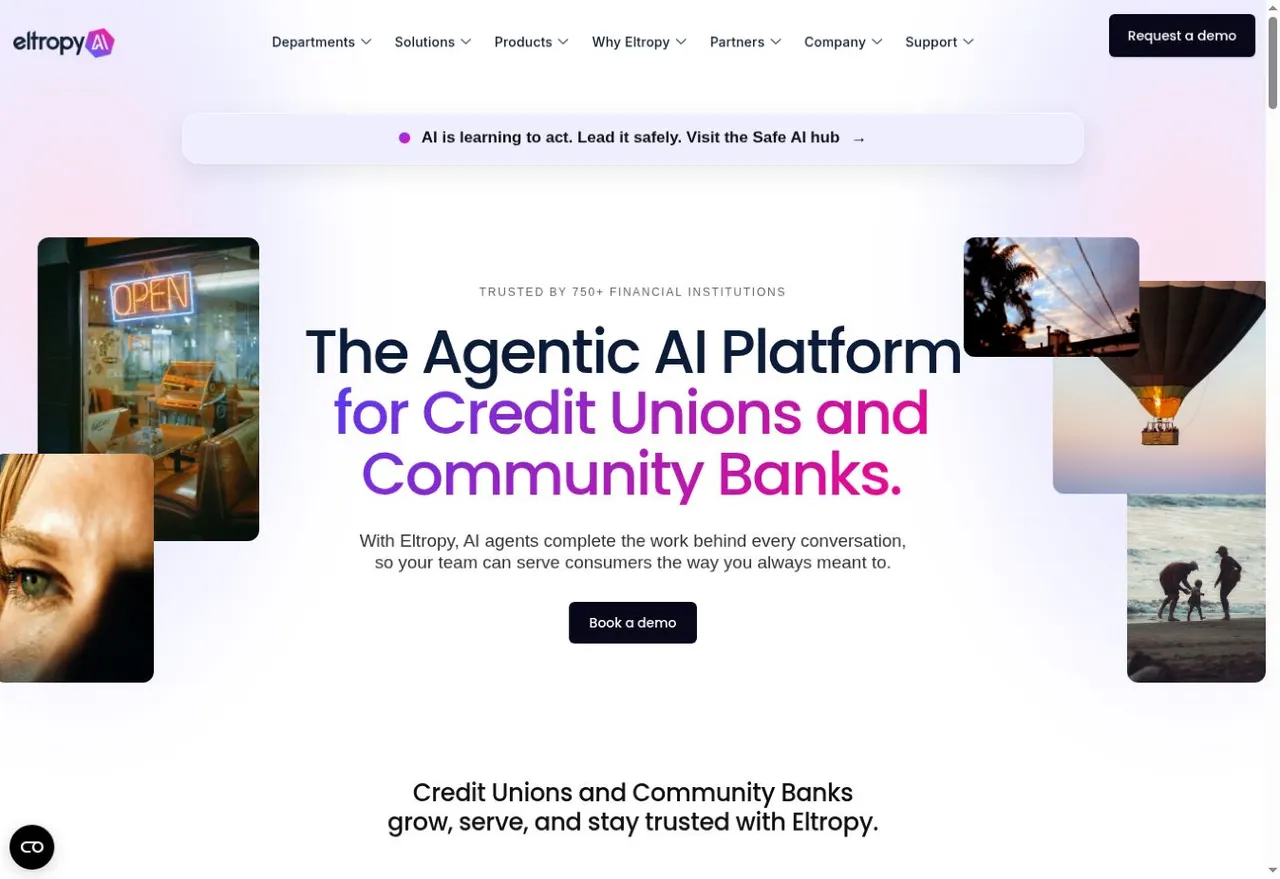
Best fit: Credit unions trying to improve member conversations across channels while connecting those conversations to existing operations.
Ask to see: A member moving from an initial reminder to a phone conversation, then to payment or a human specialist. Inspect how the payment status reaches the core and how the other channels learn that the account changed. Request an itemized quote identifying the communication, AI and collections products needed for the demonstrated flow.
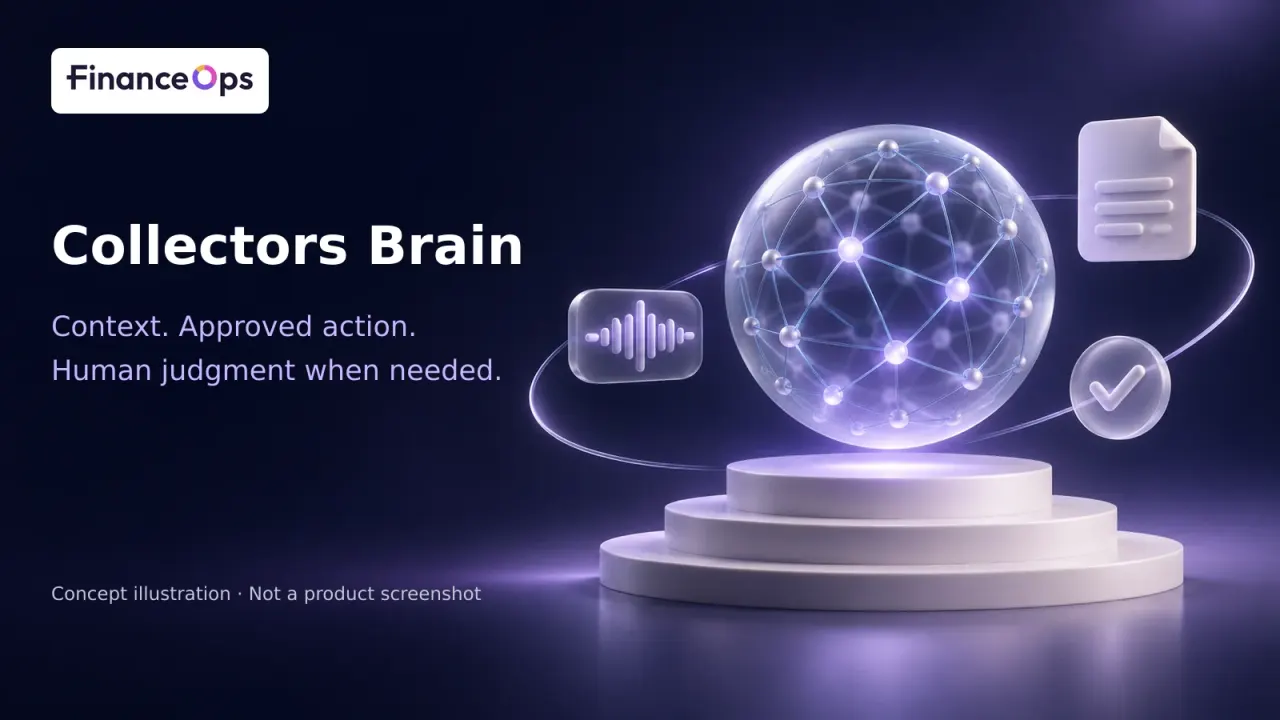
Make the next conversation feel connected. Explore how Collectors Brain uses member context and approved guidance to shape the next step.
Five requirements to put into every demonstration
Account context must survive a channel change
Start with a member who made a commitment by SMS yesterday and answers a call today. The voice agent or collector should have the relevant amount, date and unresolved questions. A generic greeting does not prove continuity. The account timeline should show where each fact came from and when it was updated.
Payment status must come from an authoritative record
Ask the vendor to distinguish a promise, a payment attempt, a confirmed transaction and a reconciled account update. Include a timeout and a payment made through another channel. Review our guide to tracking payment commitments separately from cash.
Human review must have a usable case record
An escalation should identify the member request, verified facts, attempted action, reason for stopping and decision still needed. It should also have an owner. The staff member should not have to reconstruct the entire conversation before helping.
Your team must control changes
Ask who can change contact instructions, offer limits and review routes. In FinanceOps Agent Builder, the intended workflow is to describe a problem, review a precise proposed prompt edit, compare simulations and authorize release. “Take back” reverses the change. Current access is for super admins; confirm availability in the proposed environment.
Changing the language of a reminder should not silently expand settlement authority. Test both the revised response and a nearby scenario that must remain restricted.
Success must include member experience and staff effort
Track confirmed recovery, time to payment, handling errors, complaints, repeat contacts and exception resolution. Count the staff effort required to maintain the automation. A lower call volume can reflect improved service, but it can also reflect members failing to reach help. Use the evidence behind the metric.
What FinanceOps’ credit union case studies establish
The published LAFCU case study reports more than $1 million in delinquent balances resolved and a 65% reduction in the 30–60-day delinquency bucket. These are reported results for that engagement, not a forecast for every portfolio.
The SkyOne case study reports eight times more payments processed and 90% lower operating costs relative to its previous process over the reported 90-day period. “Payments processed” should not be relabeled as an eightfold recovery rate.
Use both studies to shape reference questions: what accounts were eligible, what changed operationally, what was measured, and what work remained with the credit union? Ask for a baseline comparable to your own balances, delinquency stages and staffing model.
Compare cost using your actual payment sizes
At the stated FinanceOps Autopilot base rate, a $100 recovered payment carries a $2.50 collection fee. A $500 recovered payment carries an $8.50 fee. That makes the base effective rate 2.5% and 1.7%, respectively, before additional charges.
Payment size and number of installments affect the result. A plan with several recovered payments includes the per-payment fee several times. Model that explicitly rather than applying 1.5% to the portfolio and stopping there.
Compare that result with a quote covering the same work from another provider, including software, implementation, voice usage, payment processing and internal staff time. The payment platform comparison explains why different fee bases can make a headline comparison misleading.
Build a shortlist around the work that needs to change
If your collectors lack a reliable workbench, start with that problem. If the workbench is adequate but members are not reached consistently, investigate communications and Voice AI. If routine conversations still end in manual execution, test an AI workflow that can complete approved steps and give exceptions to people.
For the next stage, use the credit union software evaluation framework, compare Voice AI options, and apply our cross-platform acceptance guide. The broader ten-platform shortlist helps when requirements extend beyond credit union collections.
Sources and review notes
Sources include the NCUA Q2 2026 release, official product pages linked above, the published LAFCU and SkyOne case studies, and FinanceOps pricing. The case studies are vendor-published customer results. No independent head-to-head test was performed.