
When an early-stage collections queue grows, hiring more agents can look like the fastest fix. But if routine follow-up, payment questions, disputes, and hardship cases share one queue, more callers may scale the handoffs instead of resolving the work.
For U.S. fintech lenders, the first question is not always “How many people do we need?” It may be “How much of this queue is ready for routine outreach?”
A borrower may need a clear reminder and an approved way to pay. Another may have already paid, question the balance, or need to discuss hardship. A third may have raised a dispute that requires review before routine follow-up continues.
Before hiring, fintech lenders need a way to separate accounts ready for routine follow-up from those that need servicing or specialist attention.
What do U.S. delinquency trends tell lenders?
The Federal Reserve Bank of New York reported that, in Q2 2026, 5.19% of balances in its “other” debt category transitioned into serious delinquency, defined as 90 or more days past due. This is an annualized balance transition measure. The New York Fed says the category includes fintech loans and that roughly half consists of consumer finance loans, typically unsecured installment debt. It is not a fintech-only rate, and it does not identify which early-stage accounts need contact. It does show why lenders need account-level decisions instead of using a portfolio trend as an outreach instruction. See the New York Fed’s definition of “other” debt.
The quality of the underlying account information matters too. The CFPB’s 2025 Consumer Response Annual Report lists “attempts to collect debt not owed” as the most frequently selected debt-collection complaint issue. The report’s issue breakdown lists 112,600 complaints under that category (41%). This covers debt collection broadly. It is not a fintech-lender rate, and a complaint is not a finding that the account was wrong. It is a reminder to verify balance, payment status, and account context before treating an account as ready for another payment request.
How should fintech lenders triage early-stage accounts?
Days past due can help prioritize work, but they do not explain what happened on the account. A useful queue separates the age of the balance from the next appropriate action.
The table below is an operational framework, not a legal classification. Apply the lender’s approved policies and applicable requirements. For a broader view of how collection treatment changes by delinquency stage, see Early vs. Late-Stage Collections: Where Recovery Happens.
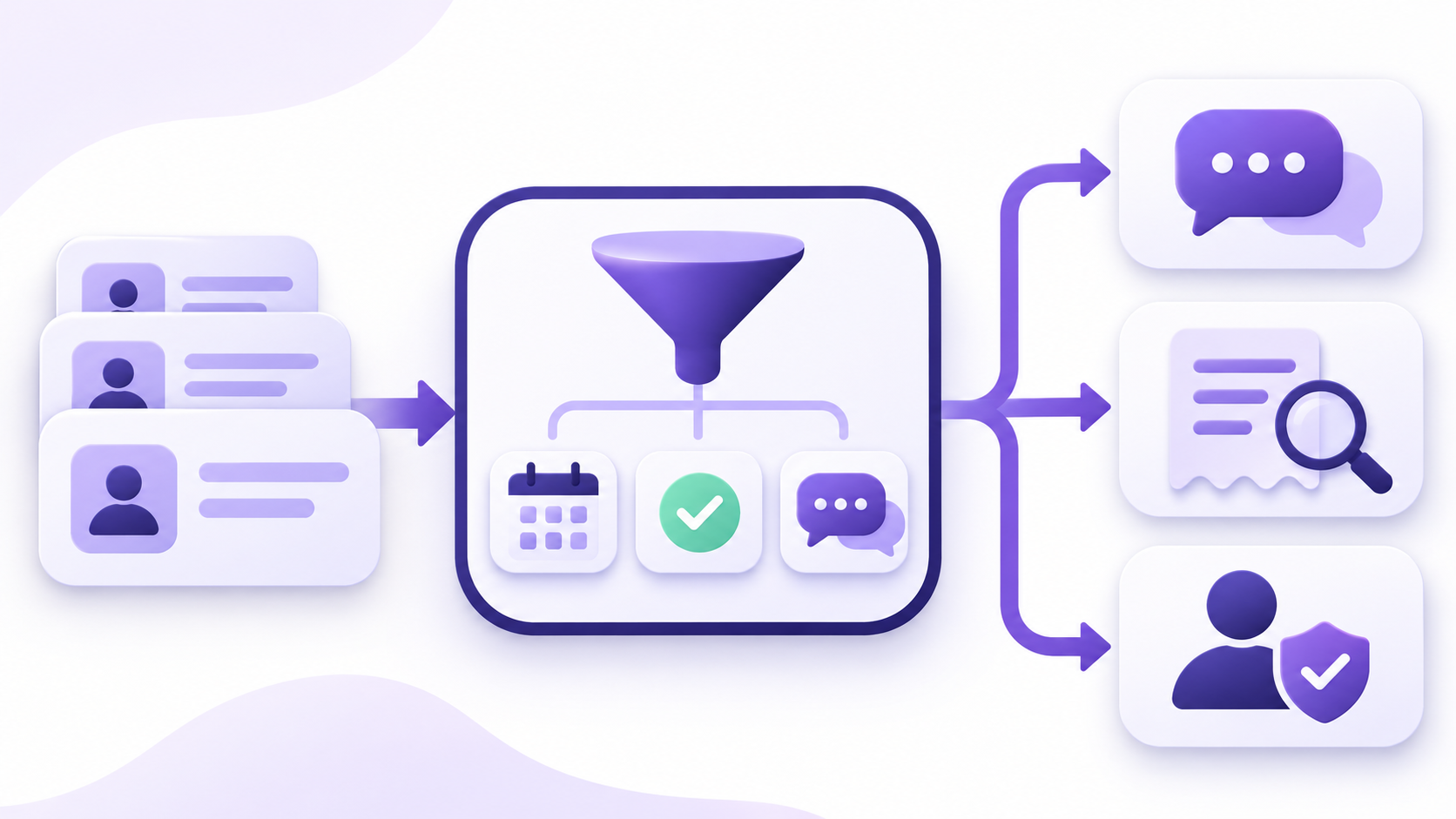
| Account group | Signals to check | Appropriate next workflow | What it means for capacity |
|---|---|---|---|
| Routine follow-up | Balance and payment status are current; no open issue needs review | Use the approved contact strategy and payment options | Candidate for routine outreach, including configured automation |
| Servicing first | Customer says they paid, questions the balance, or needs account clarification | Verify the payment or account detail, update context, then determine the next step | Fixing the underlying issue may prevent repeat contact and rework |
| Specialist review | Dispute, hardship, suspected fraud, wrong-party response, bankruptcy notice, legal representation, or another defined exception | Route to the appropriate trained person or workflow; follow applicable pause and review rules | Requires judgment or specialized handling, not simply another routine caller |
Which accounts are ready for routine follow-up?
Use routine follow-up when the balance and payment status are verified, no issue is open, and the next contact fits the lender’s approved strategy. Offer a clear reminder, balance explanation, or permitted payment option.
Which accounts need servicing first?
If a customer says they paid, questions the balance, or needs account clarification, verify and update the account before another payment request. An initiated payment may not have settled or posted. A promise is not a completed payment.
When should an account go to specialist review?
Route disputes, hardship, suspected fraud, wrong-party responses, bankruptcy notices, legal representation, and other defined exceptions according to lender policy and applicable requirements. Respond to what the borrower raised, and change or pause routine outreach when the approved process requires it. For dispute intake and collection holds, see the Debt Collection Compliance: A Validation Request Playbook.
How can you test whether your collections team needs more capacity?
Before opening a requisition, review 10 recent early-stage accounts. This is a diagnostic sample, not a statistically representative study. It shows what kind of work is filling the queue.
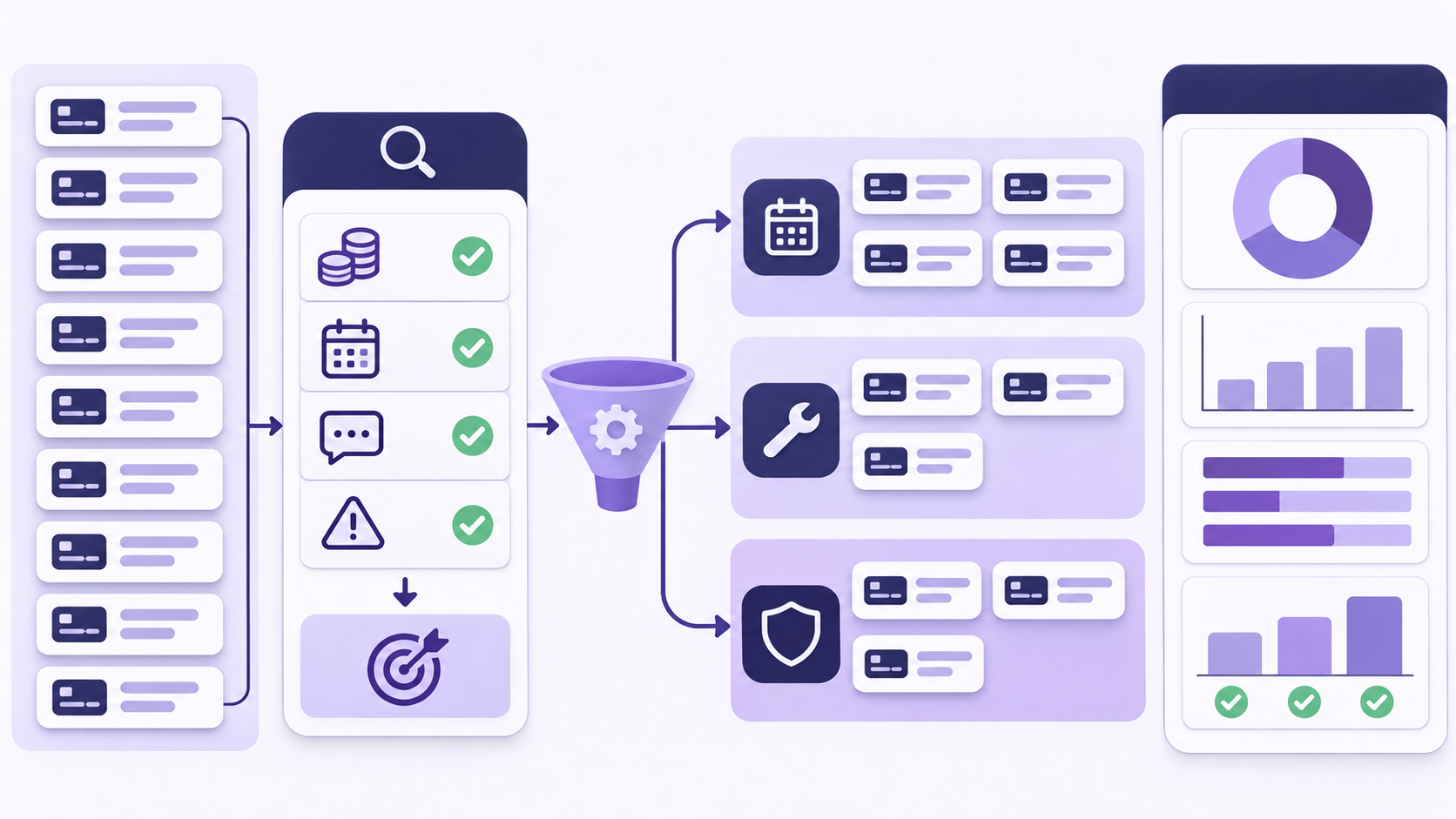
For each account, check:
- Is the balance and payment status verified?
- Is there an open question, dispute, hardship request, or prior payment promise?
- Can the next person see the latest interaction?
- Was routine outreach appropriate, and what moved the account toward resolution?
Sort the sample into routine follow-up, servicing first, or specialist review. If many accounts were not ready for routine outreach, staffing may not be the primary bottleneck. Repeat the review on another sample and compare by product, delinquency stage, and workflow before changing staffing. This diagnostic will not establish portfolio-wide capacity needs, but it can show what to measure next.
For ongoing measurement, FinanceOps Dashboards tracks recovery by aging bucket, right-party contact, kept payment promises, cost per recovery, and compliance status.
How does FinanceOps support early-stage fintech collections?
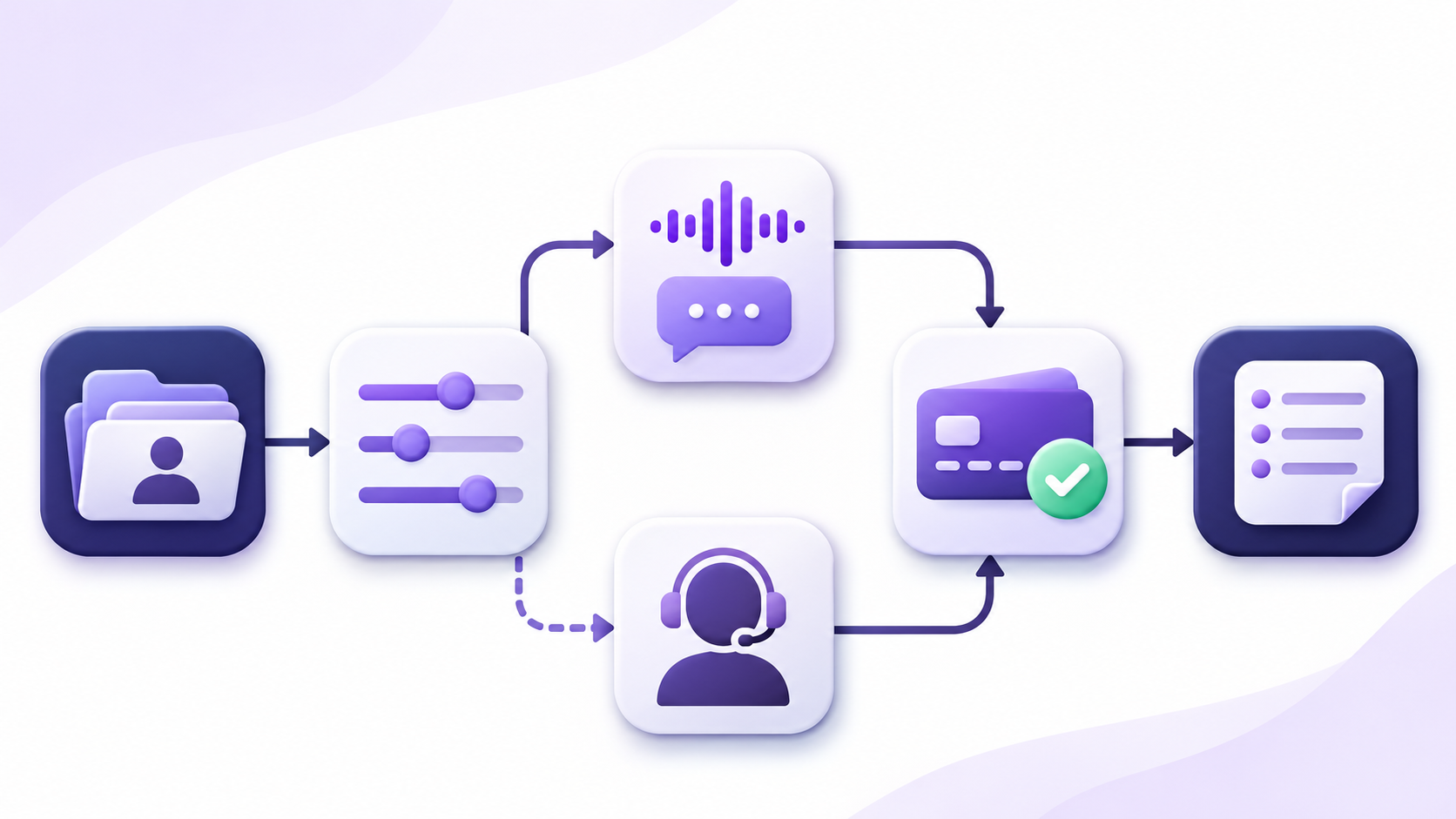
FinanceOps Agentic AI is a first-party collections platform that connects account context, customer communication, payment follow-up, and recorded outcomes. The Fintech solution page shows how this workflow applies to BNPL, personal, auto, and embedded lending. The lender sets the policies, approved actions, and situations that require human review. The platform supports two operating modes, with features for the decisions and work around them.
How does Strategy Builder define collections rules?
Strategy Builder lets lenders set segmentation, contact cadence, channels, approved payment options, negotiation limits, and when a person steps in. Teams can review the workflow before applying it to accounts. For more on negotiation limits and escalation rules, read Your AI Collector Can Negotiate. Who Sets the Rules?. Review compliance and security resources for documentation relevant to your evaluation.
How does Autopilot handle routine collections follow-up?
Autopilot uses account and engagement context to guide approved outreach by channel and timing. Through Voice AI, SMS, email, webchat, and other configured channels, it supports two-way conversations, presents approved next steps, follows up on payment commitments, and records interactions. Accounts with configured dispute, hardship, or other escalation signals can route to human review.
How does Copilot support collector judgment?
Copilot gives collectors account and conversation context, relevant review signals, and guidance on a next response or approved payment arrangement. The collector stays in control of judgment-sensitive conversations.
How does Agentic Payments connect payment status?
Agentic Payments connects payment follow-up with processing and reconciliation. It distinguishes an attempted or initiated payment from one that has settled and been recorded, so the next contact reflects the actual status.
Across both modes, the team can see account history and actions, subject to the lender’s agreed configuration and integrations. Customers can move to human review without repeating their explanation. For a broader vendor-selection framework, see AI Collections Software for Fintechs: Complete Evaluation Framework.
The goal is to give routine work a clear path, exceptions a useful handoff, and leaders a more accurate view of capacity.
We needed a collections strategy that could keep up with the scale and sensitivity of our operations, without compromising on member experience. FinanceOps helped us achieve that and more. Their AI-first empathetic approach allowed us to automate routine tasks, accelerate payment recovery, and treat our members the way they deserved to be treated.
— Director of Risk Management, SkyOne Federal Credit Union